

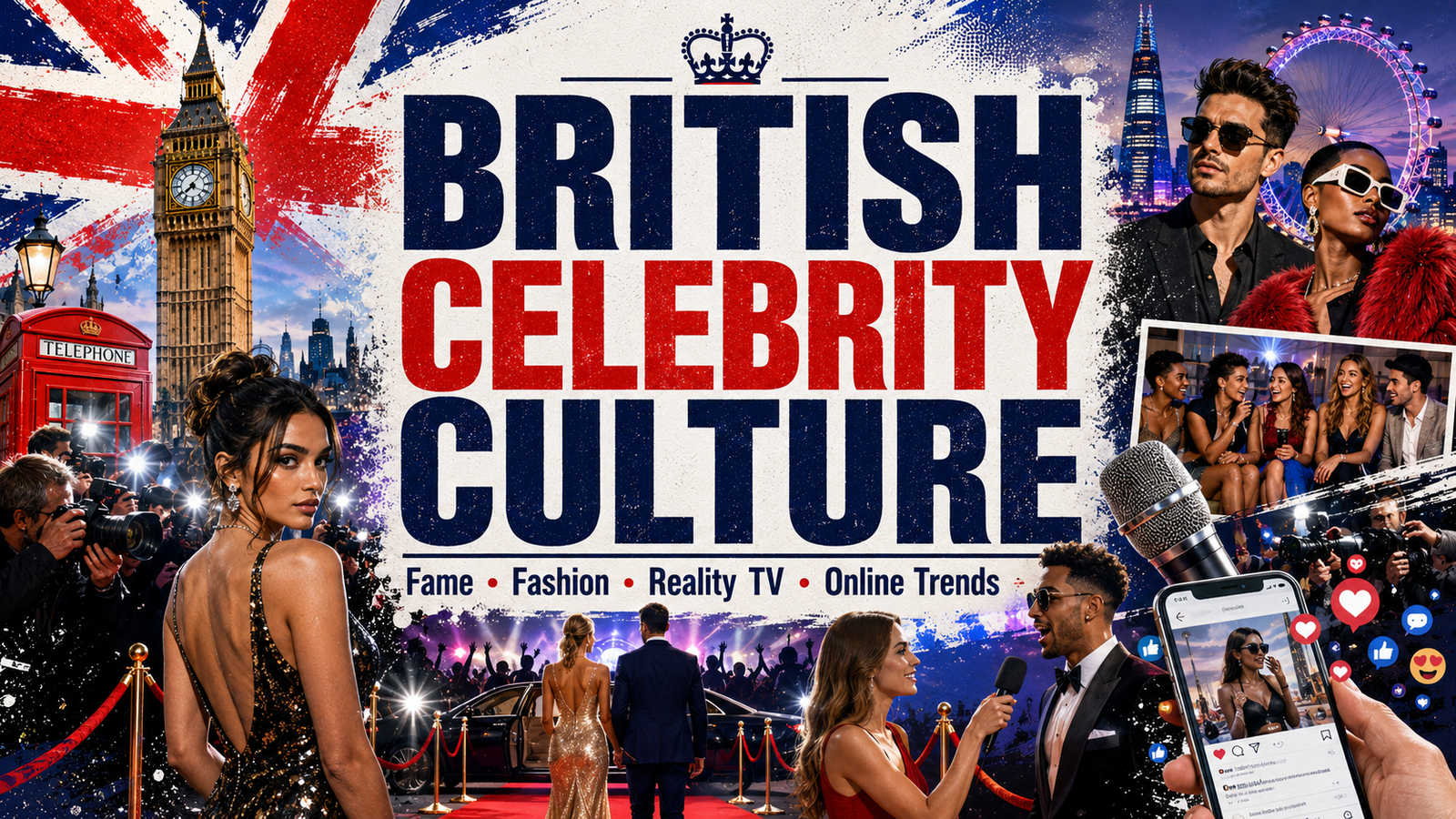
British celebrity culture has its own personality. It can be glamorous, funny, dramatic, stylish, sharp, emotional, and very public. In the UK, celebrities are not only watched for their work. They are also discussed for their interviews, outfits, relationships, humour, social media posts, public image, career moves, and the way they react to fame.
Celebrity culture in Britain is different because the audience often has a strong voice. People may admire famous figures, but they also question them, joke about them, defend them, criticise them, and turn their moments into online conversations.
A celebrity outfit can become a fashion trend.
A red carpet interview can become a meme.
A reality TV contestant can become an influencer.
A musician’s public image can shape youth culture.
A presenter’s comment can become a national talking point.
A social media post can create days of discussion.
This is why British celebrity culture is such an important part of modern digital entertainment. It connects naturally with British pop culture, British TV culture, British music culture, fashion, reality TV, influencer culture, and online trends.
At xxbrita.uk, celebrity culture is not treated as empty gossip. It is explored as part of the wider world of British digital entertainment, where fame, style, media, humour, and public reaction all work together.
What Is British Celebrity Culture?
British celebrity culture refers to the way famous people are created, followed, discussed, judged, and remembered in the UK.
It includes actors, musicians, TV presenters, reality stars, influencers, comedians, footballers, models, fashion personalities, online creators, and public figures who become part of entertainment conversations.
Celebrity culture is not only about being famous. It is about how fame works.
It includes public image, media coverage, fan reactions, interviews, fashion choices, social media behaviour, personal branding, and the way audiences respond to a person’s success, mistakes, confidence, personality, or lifestyle.
In the digital age, celebrity culture moves quickly. A person can become famous from a TV show, a viral clip, a podcast moment, a TikTok video, a music performance, or even one memorable phrase. Fame is no longer controlled only by television, newspapers, magazines, or record labels. Social media has changed everything.
Today, audiences help decide who becomes relevant.
They share clips, create memes, defend favourites, call out behaviour, follow accounts, comment on outfits, and keep stories alive long after the original moment has passed.
Why British Celebrity Culture Feels Different
British celebrity culture feels different because UK audiences often have a complicated relationship with fame.
People enjoy glamour, success, talent, and entertainment, but they usually do not like celebrities who seem too arrogant, fake, or out of touch. British audiences often respond better to celebrities who feel funny, self-aware, natural, honest, or able to laugh at themselves.
This is where British humour plays a big role.
A celebrity who gives a dry answer in an interview, makes a self-deprecating joke, or handles an awkward moment well can quickly become more likeable. On the other hand, a celebrity who seems too polished or disconnected from normal life may receive criticism.
British fame often works best when there is a balance between star quality and relatability.
People like celebrities who can look glamorous on a red carpet but still seem human. They may enjoy luxury, but they also appreciate personality. They may follow famous people for style and entertainment, but they still expect some level of honesty.
That balance gives British celebrity culture its sharp edge.
It can celebrate fame, but it can also pull it back down to earth.
Celebrity Culture and British Pop Culture
Celebrity culture is one of the strongest parts of British pop culture. Famous people help shape what the public watches, wears, listens to, quotes, shares, and discusses online.
A celebrity moment becomes pop culture when it moves beyond the person and becomes part of a wider conversation.
That could be a red carpet look, a music video, a reality TV argument, a funny interview, a podcast confession, a viral post, a public apology, a dramatic comeback, or a career change that gets people talking.
This is why celebrity culture connects closely with British pop culture. Celebrities often become the faces of wider trends. They can influence fashion, music, slang, beauty, lifestyle, dating conversations, social attitudes, and online humour.
Sometimes a celebrity becomes popular because of talent. Sometimes it is personality. Sometimes it is style. Sometimes it is controversy. Often, it is a mix of everything.
In the UK, the most memorable celebrities are usually not just famous. They have a recognisable identity. They bring a certain energy that people remember.
British TV and the Rise of Celebrity Fame
Television has always been one of the biggest routes into British celebrity culture. Actors, presenters, comedians, reality TV contestants, talent show performers, and documentary personalities have all become famous through UK television.
TV gives audiences regular access to people. When viewers see someone every week, they begin to feel familiar. That familiarity can turn into loyalty, interest, criticism, or obsession.
Presenters often become especially important in British TV culture. A good presenter can become part of people’s daily routines. Viewers may trust them, laugh with them, or feel like they know them personally.
Reality TV has also changed celebrity culture in a major way. It has created a type of fame that feels fast, emotional, and highly interactive. A reality contestant can become well known in a matter of days if audiences connect with their personality, humour, fashion, relationship, or drama.
This is where celebrity culture naturally links with British TV culture and British reality TV culture. TV gives people the first platform, but social media often keeps the fame alive.
A person may start as a contestant, then become an influencer, brand ambassador, podcast guest, presenter, or business owner. That journey is now a familiar part of British digital entertainment.
Reality TV Stars and Modern Fame
Reality TV stars are one of the most visible parts of modern British celebrity culture.
In the past, fame was often linked to acting, music, sport, or presenting. Today, reality TV can create celebrities almost instantly. Viewers watch people build friendships, argue, fall in love, make mistakes, show vulnerability, and create memorable moments on screen.
That emotional access makes reality stars feel familiar quickly.
Audiences may support them because they seem funny, attractive, honest, dramatic, confident, stylish, or relatable. They may also criticise them strongly because reality TV invites public judgement.
Reality TV fame is powerful because it does not end when the show ends. In many cases, the show is only the beginning.
After appearing on TV, reality stars often move into social media, fashion partnerships, beauty brands, podcasts, event appearances, and lifestyle content. Some become long-term public figures, while others have shorter moments of fame.
Social media decides a lot of what happens next. If a contestant builds a strong audience, they can turn TV exposure into a lasting digital career.
This is one reason reality TV is so important to British celebrity culture. It shows how fame now works across several platforms at once.
British Music Stars and Celebrity Image
Musicians are central to British celebrity culture because they influence both sound and style.
A British artist is not only judged by their music. Audiences also pay attention to their image, interviews, public personality, fashion choices, live performances, relationships, social media presence, and the message behind their work.
Music creates emotional connection, but celebrity image gives that connection a public face.
A singer can become known for heartbreak songs, bold style, humour, confidence, vulnerability, rebellion, or mystery. A rapper may represent a city, a community, or a specific lifestyle. A band may become part of a youth movement. A pop star may define an era through visuals, lyrics, performances, and fan culture.
This is why celebrity culture links naturally with British music culture. Music gives artists influence, but digital culture turns that influence into something wider.
Fans now follow artists beyond the songs. They watch interviews, live clips, behind-the-scenes videos, tour moments, red carpet appearances, and personal posts. They analyse lyrics, outfits, relationships, and public statements.
British music stars often become more than entertainers. They become style icons, role models, conversation starters, and symbols of a particular cultural mood.
British Celebrity Fashion
Fashion is one of the biggest parts of celebrity culture because it is instantly visible.
A celebrity’s outfit can create a reaction before they even say anything. Red carpet looks, street-style photos, music video outfits, TV appearances, holiday pictures, award show fashion, and influencer event looks can all become part of online conversation.
British celebrity fashion is especially interesting because it includes many different styles.
Some celebrities lean into classic British elegance. Others build their image around streetwear, vintage fashion, bold beauty looks, designer pieces, high street outfits, festival style, or experimental London fashion.
A single outfit can say a lot about a celebrity’s image. It can make them seem polished, rebellious, relatable, glamorous, edgy, playful, or out of touch.
Fashion also gives audiences something to copy. A look seen on a celebrity can quickly influence shopping habits, beauty trends, hairstyles, nails, makeup, and social media aesthetics.
This is why celebrity stories often connect naturally with British fashion culture. When style is part of the story, fashion is not a separate topic. It is part of the celebrity’s public identity.
Influencers and Digital Celebrity Culture
Influencers have changed British celebrity culture completely.
A person no longer needs to begin on television, in music, or in film to become famous. They can build an audience directly through TikTok, Instagram, YouTube, podcasts, or other digital platforms.
British influencers often become popular because they feel more accessible than traditional celebrities. They may share daily routines, fashion hauls, makeup looks, dating stories, family life, comedy videos, opinions, lifestyle content, or behind-the-scenes moments.
This type of content can make audiences feel personally connected.
Influencer fame is different because it often grows from consistency and relatability. Followers may feel like they have watched someone’s journey from the beginning. That creates a different kind of loyalty.
At the same time, influencers are now part of mainstream entertainment. Many work with fashion and beauty brands, appear on TV, attend celebrity events, launch businesses, host podcasts, or become reality TV personalities.
This is why British influencer culture is closely connected to celebrity culture. The line between influencer and celebrity is now very thin.
Some influencers become celebrities because of their online success. Some celebrities become influencers because they use social media to stay relevant. Both now exist in the same digital entertainment world.
Social Media and Public Reaction
Social media is one of the biggest forces in British celebrity culture. It allows fans, critics, journalists, and casual viewers to react instantly to celebrity moments.
A celebrity can post a photo, and within minutes people may be discussing the outfit, caption, location, body language, relationship status, or hidden meaning behind it. A clip from an interview can spread quickly. A joke can become a meme. A mistake can become a controversy.
This speed has changed fame.
Celebrities are more visible than ever, but they are also more exposed. Every public moment can be recorded, shared, edited, misunderstood, praised, or criticised.
British online audiences can be especially sharp. Humour, sarcasm, and direct criticism often shape the way people discuss famous figures. A celebrity may be loved one day and questioned the next, depending on how the public reads their behaviour.
This does not mean social media is only negative. It can also build careers. A strong online moment can make a celebrity more popular, more relatable, and more visible to new audiences.
Social media gives celebrities power, but it also gives audiences power.
That balance is at the heart of modern celebrity culture.
Celebrity Interviews and Viral Moments
Interviews are an important part of British celebrity culture because they reveal personality.
A celebrity may be known for acting, singing, presenting, or reality TV, but an interview can show how they think, joke, react, and handle pressure. Sometimes the interview becomes more memorable than the project being promoted.
British interviews often work well online because they can be funny, awkward, emotional, or unexpectedly honest. A quick answer, facial expression, sarcastic comment, or strange exchange can easily become a viral clip.
Some celebrities become more likeable because of interviews. Others damage their image if they appear rude, fake, nervous, arrogant, or out of touch.
Interviews are powerful because they create the feeling of access. Audiences believe they are seeing the real person behind the public image, even if the setting is still controlled.
This is why celebrity interviews often become part of online trends. They give people short, shareable moments that can be turned into memes, reaction videos, captions, and discussions.
Fame, Privacy and Public Pressure
Celebrity culture can look glamorous, but it also comes with pressure.
British celebrities often live under public attention. Their relationships, appearance, career choices, opinions, mistakes, and personal lives may be discussed by people who do not know them personally.
This can create a difficult balance between public interest and privacy.
Audiences may feel connected to celebrities, especially when they have watched them on TV or followed them online for years. But that connection can sometimes make people feel entitled to know everything about them.
Social media has made this pressure stronger. Famous people are expected to be visible, active, stylish, honest, careful, entertaining, and available. They are expected to share enough to stay relevant, but not so much that they lose control of their image.
This is one of the complicated sides of celebrity culture. Fame can create opportunity, but it can also create constant judgement.
At xxbrita.uk, celebrity culture is best understood with context. A public figure may be part of entertainment, but they are still a person dealing with attention, criticism, and expectations.
British Humour and Celebrity Likeability
Humour plays a major role in how British celebrities are judged.
A celebrity who can make people laugh often becomes more likeable. A dry joke, quick reply, self-deprecating comment, or honest reaction can help audiences feel connected to them.
British audiences often appreciate people who do not take themselves too seriously. This does not mean celebrities cannot be confident or glamorous. It means they usually gain more warmth from the public when they show personality and self-awareness.
A celebrity who can handle teasing, awkward questions, or unexpected moments with humour may be seen as more relatable.
This connects to a wider part of British culture. Humour is often used to soften seriousness, deal with embarrassment, and create social connection. In celebrity culture, it can make fame feel less distant.
Some of the most memorable British celebrity moments are not perfectly planned. They are spontaneous, awkward, funny, or unusually honest.
That is why humour can be just as important as image.
Scandals, Controversies and Public Debate
Celebrity culture often includes controversy. A public mistake, argument, interview comment, social media post, or personal decision can quickly become a wider debate.
In Britain, celebrity controversies often become public conversations about bigger topics. A single story may lead people to discuss fame, class, privilege, relationships, body image, race, gender, money, honesty, cancel culture, or media behaviour.
Not every controversy is equally serious. Some are light and disappear quickly. Others can affect a celebrity’s career and public reputation for years.
The internet has made these moments faster and more intense. People can react instantly, often before full context is available. This can create misunderstandings, but it can also hold public figures accountable when criticism is fair.
Celebrity culture is not only about admiration. It is also about judgement. Public figures are watched closely because they have influence, visibility, and often access to opportunities most people do not.
That makes the relationship between celebrities and audiences complicated.
People may love a celebrity’s work but dislike their behaviour. They may criticise someone and later support their comeback. They may debate whether a public apology feels real or strategic.
This constant judgement is part of modern fame.
Celebrity Comebacks and Reinvention
One interesting part of British celebrity culture is reinvention.
A celebrity may become famous in one way, disappear for a while, then return with a new image, new project, or new public attitude. This can happen with musicians, actors, presenters, reality stars, influencers, and comedians.
A comeback can be powerful when audiences feel that a person has grown, changed, or found a new direction.
Reinvention is common because fame moves quickly. What worked five years ago may not work today. Public taste changes. Platforms change. Audiences become more critical. Celebrities have to adapt if they want to stay relevant.
Some reinvent themselves through fashion. Some through music. Some through honesty and personal storytelling. Some through humour. Some through business. Some through a move from one entertainment space to another.
British celebrity culture often enjoys a good comeback, especially when it feels earned. Audiences may be critical, but they can also be forgiving when they believe a celebrity is sincere.
This shows that fame is not always fixed. It can be rebuilt.
Footballers and Celebrity Culture
Footballers are a major part of British celebrity culture, even though their main work is sport.
In the UK, football is deeply connected to entertainment, lifestyle, fashion, social media, and identity. Successful players often become public figures whose influence goes far beyond the pitch.
People follow their performances, but they also follow their interviews, outfits, cars, homes, relationships, celebrations, hairstyles, tattoos, and social media posts. Footballers can become fashion icons, brand ambassadors, documentary subjects, charity figures, and online personalities.
Their partners and families can also become part of celebrity culture, especially when public interest grows around their lifestyle or fashion.
Football fame is especially intense because it connects with loyalty and emotion. Fans may feel strongly attached to players because of their clubs, national teams, or memorable sporting moments.
This makes footballers different from many other celebrities. Their fame is tied to performance, but also to community, pride, and public feeling.
Celebrity Culture and Lifestyle Influence
Celebrities influence lifestyle in many ways.
They can shape beauty standards, fitness routines, fashion trends, travel choices, home decor, food habits, skincare routines, dating conversations, and the way people present themselves online.
A celebrity lifestyle post can make something look desirable. A holiday photo can influence travel ideas. A makeup routine can sell products. A home tour can inspire interior trends. A relationship story can create public debate about love, loyalty, privacy, or modern dating.
This influence is not always direct. Sometimes people do not copy a celebrity fully, but they borrow small ideas: a hairstyle, an outfit colour, a caption style, a workout trend, or a way of speaking.
Digital culture has made this influence stronger because celebrity content is constant. People no longer see famous figures only in magazines or on television. They see them every day through social media.
This gives celebrities a powerful role in shaping lifestyle culture.
Fans, Fandoms and Online Communities
Fans are a huge part of celebrity culture. A celebrity’s public image is not created only by the celebrity or the media. Fans help build it.
They share clips, make edits, create fan pages, defend their favourite celebrities, celebrate achievements, analyse interviews, and keep old moments alive online.
British fan culture can be passionate, funny, loyal, and sometimes intense. Fans may support actors, musicians, reality stars, presenters, influencers, or footballers with real emotional investment.
Fandoms can help a celebrity grow. They can introduce new people to their work, trend hashtags, sell out events, support releases, and protect a public figure during criticism.
But fan culture can also become complicated when loyalty becomes too aggressive or when public figures are treated as perfect. Healthy fandom can be fun and supportive. Extreme fandom can create pressure and conflict.
Still, fans remain one of the biggest reasons celebrities stay relevant. In digital entertainment, audience activity matters.
A celebrity with an active fanbase has more than fame. They have a community.
How British Celebrity Culture Reaches Global Audiences
British celebrity culture does not stay inside the UK. Many British actors, musicians, presenters, influencers, reality stars, and public figures attract international attention.
Streaming platforms, social media, music videos, global fashion coverage, podcasts, and viral clips have made British celebrities easier to discover around the world.
Sometimes international audiences are drawn to British accents, humour, style, or the different tone of UK entertainment. A celebrity may feel fresh to global viewers because they bring a cultural personality that is different from Hollywood or other entertainment industries.
British celebrities can also become global because their work travels. A successful drama, hit song, viral interview, popular reality show, or strong fashion moment can reach audiences far beyond Britain.
The most successful British celebrities often keep something recognisably British while still feeling accessible to international fans. That mix helps them stand out.
The Future of British Celebrity Culture
British celebrity culture will continue to change as digital platforms change.
New celebrities will come from TikTok, podcasts, streaming shows, reality TV, music scenes, sports, fashion spaces, and online communities. Traditional fame will still matter, but it will exist alongside newer forms of digital fame.
The future of celebrity culture will likely be more personal, more visual, and more interactive. Audiences will expect access, personality, honesty, and regular content. Celebrities will need to manage their public image across more platforms than ever before.
At the same time, audiences are becoming more aware of image-building. People can often tell when something feels too staged or fake. This means authenticity will remain important.
The celebrities who last are usually the ones who offer more than attention. They offer talent, personality, style, humour, honesty, or a clear reason for people to keep watching.
British celebrity culture will always include glamour and drama, but its strongest figures will be the ones who understand how to stay human in a very public world.
British Celebrity Culture on xxbrita.uk
At xxbrita.uk, British celebrity culture is explored as part of wider British digital entertainment.
We look at fame, fashion, interviews, reality TV, music stars, influencers, social media reactions, and public image with clear and natural writing. The goal is to explain why celebrity moments matter, not just repeat that they happened.
When a celebrity story connects with TV, British TV culture may be the best related article. When it connects with music, British music culture is a natural link. When the focus is style, British fashion culture fits better. When fame comes from reality shows, British reality TV culture is the most relevant next read.
Every internal link should help the reader understand the topic more clearly.
British celebrity culture is not only about famous people. It is about how fame works in a digital world, how audiences react, and how entertainment becomes part of everyday conversation.
Final Thoughts
British celebrity culture is glamorous, funny, dramatic, stylish, complicated, and constantly changing. It is shaped by television, music, fashion, reality shows, influencers, football, interviews, social media, and the public’s reaction to fame.
A celebrity in the UK is not just watched. They are discussed, analysed, judged, quoted, defended, criticised, and sometimes turned into a meme within minutes.
That is what makes British celebrity culture so powerful in the digital age.
It connects entertainment with real public conversation. It shows how people think about success, image, humour, authenticity, privacy, style, talent, and influence.
From musicians and actors to reality stars, presenters, influencers, and footballers, British celebrities continue to shape the online world in many different ways.
Celebrity culture is not just about fame.
It is one of the strongest parts of British digital entertainment.
